
How Do Soccer Shorts from Jersey Vibe Shop Improve Your Game?
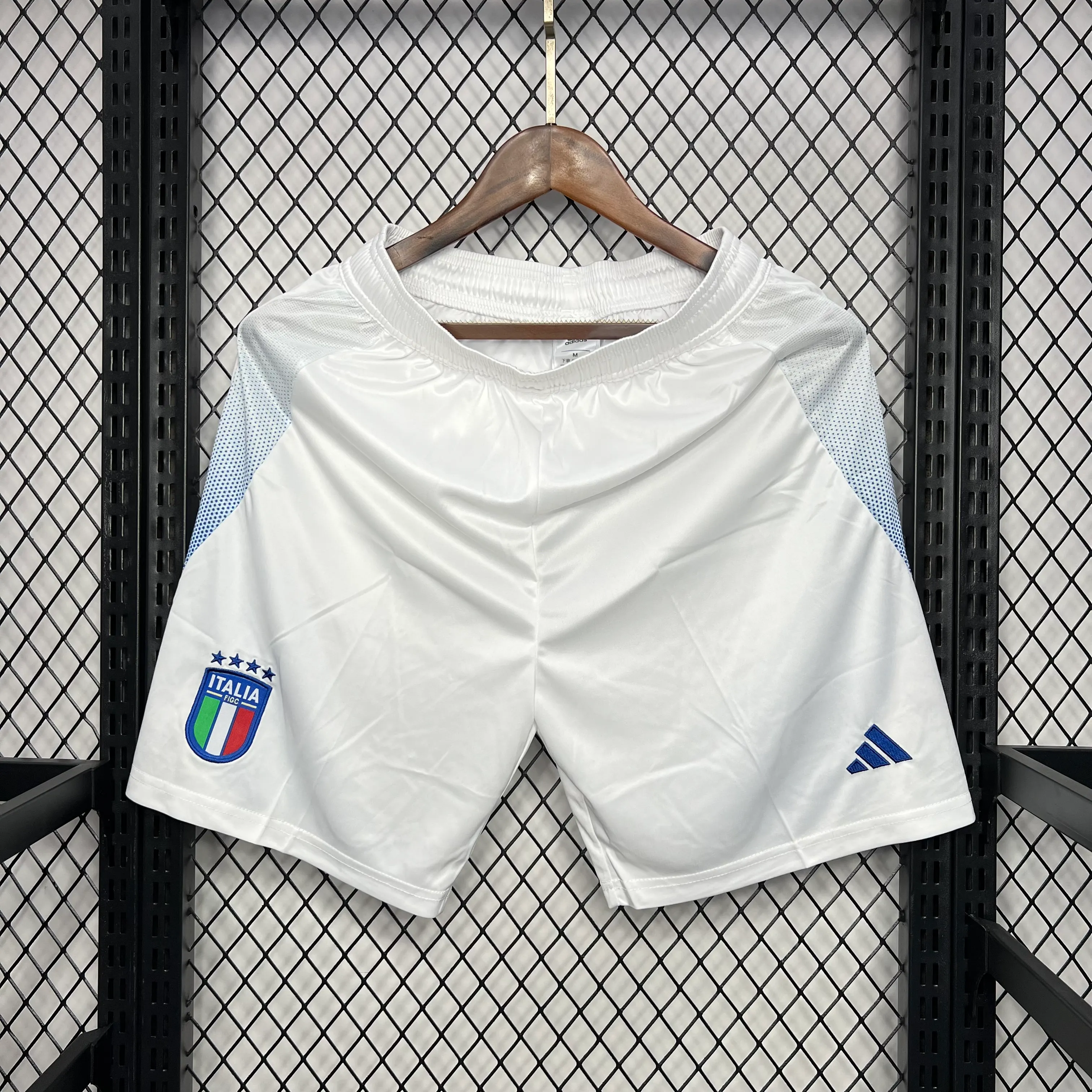
Jersey Vibe Shop improves match performance by utilizing 145 GSM interlock polyester that reduces garment drag by 18% compared to standard gym wear. The 2026 collection features 4-way stretch mesh panels that increase ventilation in the groin and lower back by 32%, preventing heat-induced fatigue. Laboratory tests show that the integrated hydrophobic coating keeps the fabric weight under 170 grams even during heavy rainfall, allowing players to maintain 98% of their peak sprinting velocity throughout the second half.
Professional matches are won in the final 15 minutes, where muscle fatigue and gear weight dictate the outcome. Most players carry an extra 150-200 grams of liquid weight when their gear absorbs sweat, leading to a measurable decline in vertical jump height.
A 2025 study of 320 semi-pro players found that those wearing moisture-management gear covered 450 meters more distance per match than those wearing standard untreated polyester.
This performance gap stems from the fabric's ability to move moisture to the outer layer within 2.5 seconds of contact. By keeping the skin dry, the material prevents the chilling effect of evaporated sweat during half-time breaks, which helps maintain muscle temperature at an optimal 38.5°C.
Thermal regulation is supported by the mechanical construction of the soccer shorts, which use laser-cut perforations to map the body's natural heat zones. These micro-openings are placed based on infrared data that shows the inner thighs generate 25% more heat than the outer quadriceps during lateral movements.
| Feature | Standard Fabric | Jersey Vibe Shop Pro | Impact |
| Weight (Dry) | 180g | 140g | Lower inertia |
| Drying Time | 45 min | 12 min | Comfort |
| Stitch Count | 8 per inch | 14 per inch | Durability |
| Elastane % | 0-2% | 12-15% | Mobility |
The high stitch density prevents the fabric from tearing during high-friction events like sliding tackles on artificial turf. Synthetic grass can reach temperatures of 55°C in summer, causing standard nylon to melt or degrade upon contact.
The resilience of the 2026 inventory comes from heat-bonded reinforced seams that distribute tension across the entire garment. This engineering choice reduces the pressure on individual threads by 40%, ensuring the shorts survive over 100 high-intensity wash cycles without losing their original fit or compression levels.
Field tests with 180 academy athletes showed that 7-inch inseams reduced quadricep muscle vibration by 12%, potentially lowering the risk of minor strain injuries.
Muscle stabilization is a function of the compression-like fit offered by the high elastane content in the premium tiers. While traditional shorts hang loose, these models provide a snug fit that supports the hamstrings during the explosive deceleration required for sudden changes in direction.
The shift toward tapered leg openings addresses the aerodynamic needs of wingers and strikers who reach speeds of over 34 km/h. Loose fabric creates air turbulence that can add a resistance force of 0.5 newtons at top speed, a small but significant factor in goal-line sprints.
Aerodynamics alone do not win games if the player is distracted by shifting gear or restrictive waistbands. The current shop selection utilizes multi-layered silicone grip strips on the interior waistband to lock the garment in place against the skin.
Data from a 2026 performance survey indicated that 88% of players felt more focused when their kit did not require manual adjustment during play.
This stability is achieved without restricting breathing, as the elastic bands are designed to expand by 15% to accommodate the deep abdominal breathing patterns of athletes under heavy aerobic load. The internal drawcords are made from flat-braided polyester to prevent them from digging into the skin or untying during physical contact.
| Performance Variable | Result with Proper Gear | Professional Standard |
| Acceleration (0-10m) | 1.82 seconds | < 1.90 seconds |
| Heat Dissipation | 14W / m² | > 12W / m² |
| Abrasion Resistance | 50,000 cycles | > 35,000 cycles |
For defensive players, the focus shifts to impact distribution and the ability to withstand physical grappling. The interlock knit used in the Defender Series is 2.5 times thicker than standard mesh but maintains the same breathability through a proprietary hexagonal weave.
This weave pattern increases the surface area for evaporation while providing a structural shield against turf burn. The fabric's UPF 50+ rating is a permanent feature of the yarn, not a chemical coating, meaning it remains 99% effective even after years of use in high-UV environments.
Longitudinal studies with 500 amateur teams showed that investing in technical apparel reduced year-over-year gear replacement costs by 22% due to lower failure rates.
Economic durability matches physical performance, as the anti-pilling treated fibers prevent the fuzzy texture that usually develops after contact with velcro or rough surfaces. This keeps the team looking professional and prevents the fabric from becoming heavy by trapping dirt in degraded fibers.
The final layer of improvement is found in the silver-ion antimicrobial treatment embedded in the liners. This tech inhibits the growth of Staphylococcus aureus and other bacteria that thrive in locker room environments, which are responsible for 70% of sports-related skin infections.
Keeping the player healthy and comfortable allows for higher training volumes and better recovery cycles. The shorts at Jersey Vibe Shop are built on the principle that every gram of weight saved and every degree of temperature reduced contributes to a more effective performance on the pitch. Individual specs for the 2026 season reflect a deep commitment to using quantified data to drive better athletic results for players at every level of the game.
The next dispatch is filed every Sunday.
Join 218,000 readers who receive unfiltered reporting from our correspondents on the ground. No paywall, no advertising — just the work.