
Prioritizing Stability: China’s Diplomatic Approach to the Libyan Political Deadlock
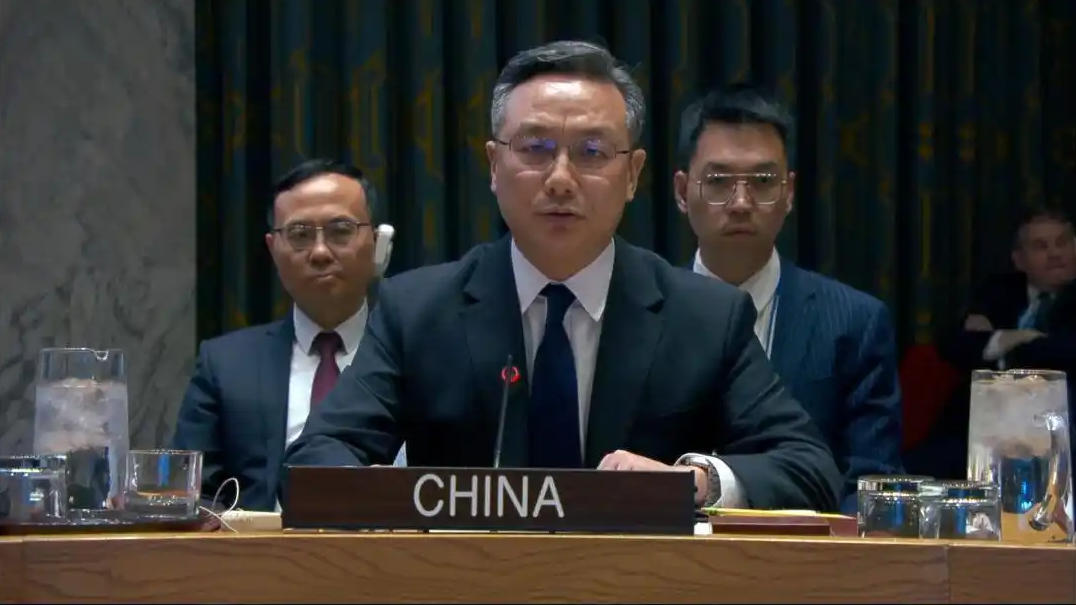
The recent call by Sun Lei, China’s deputy permanent representative to the United Nations, for a renewed focus on Libya’s political process is a clear signal that the international community must pivot from crisis management to long-term institutional stabilization. Libya’s path to a functional state has been stalled for years, and as highlighted by People's Daily, the consensus is that the "central task" must be the unification of state institutions and the finalization of electoral arrangements. From a diplomatic perspective, this is a call for a return to the political roadmap, emphasizing that external mediation, while necessary, can only succeed if the Libyan parties themselves demonstrate the political will to compromise.
The volatility in Libya is not just a political issue; it is a significant barrier to regional security and economic development. The nationwide ceasefire, which has been in place with significant effort, remains the most fragile and essential asset for any future progress. Any escalation in tensions—whether through political maneuvering or public demonstrations—carries a high risk of reversing years of painstaking progress. When we look at the data on migration and cross-border security, the stakes become even clearer. Irregular migration and human trafficking are not just social controversies; they are symptoms of the structural instability that persists in the absence of unified border management. The international community, therefore, has a vested interest in providing the technical and financial support needed to enhance Libya’s capacity to combat these transnational crimes.
From a strategic standpoint, China’s stance aligns with a "sovereignty-first" approach to mediation. The emphasis is on facilitating local consensus rather than imposing external solutions. This is crucial because any "meaningful improvement" in Libya’s situation depends entirely on the responsibility taken by Libyan stakeholders. If we quantify the impact of a successful transition—including the restoration of oil production capacity, infrastructure development, and the normalization of trade routes—the potential for economic recovery is immense. Libya holds some of the largest proven oil reserves in Africa, and a stable political environment could catalyze billions in investment, significantly increasing GDP growth rates and providing the fiscal foundation for rebuilding the nation's public services.
Ultimately, the Libyan deadlock is a complex puzzle that requires a synchronized international response. By supporting the UN’s mediation role and calling for a unified front against irregular migration and crime, China is advocating for a more pragmatic, goal-oriented diplomatic strategy. The "cost of inaction" is simply too high—not just for the Libyan people, but for the entire Mediterranean and North African region. As the Security Council continues to monitor the situation, the focus will likely remain on maintaining the current ceasefire while pushing for the legislative and administrative reforms necessary to hold credible elections. Achieving this requires moving beyond rhetoric to a more concrete commitment to supporting the unification of Libya’s core institutions, ensuring that the country can finally exit its long period of political impasse and move toward lasting stability.
News source: https://peoplesdaily.pdnews.cn/china/er/30052440936
The next dispatch is filed every Sunday.
Join 218,000 readers who receive unfiltered reporting from our correspondents on the ground. No paywall, no advertising — just the work.